Center Certification & Testing International

basic introduction
PoHS, the English name is Prohibition on Certain Hazardous Substances in Consumer Products, Chinese translation is "prohibited certain hazardous substances in consumer products." On June 8, 2007, Norway notified the WTO that it proposed a "prohibition of certain hazardous chemical substances in consumer products", saying that it would restrict 18 substances in consumer products, namely PoHS regulations.
The 18 restricted substances are: HBCD, tetrabromobisphenol A, medium-chain chlorinated paraffin, lead and lead compounds, cadmium and compounds, arsenic and compounds, tributyltin compounds, triphenyltin compounds, Xylene musk, musk ketone, perfluorooctanoic acid and salts and esters, surfactants DTDMAC, DODMAC/DSDMAC, DHTDMAC, bisphenol A, diisooctyl phthalate, pentachlorophenol and triclosan. The substance to be restricted has the characteristics of persistence, bioaccumulation and/or toxicity. The PoHS regulation was passed on December 15, 2007, and was originally scheduled to enter into force on January 1, 2008. It was later postponed because many issues have not yet been agreed upon. Wei's "Prohibition of Certain Hazardous Substances in Consumer Products" (PoHS) ban will be implemented soon.
Norway's ban on the use of certain hazardous substances in consumer products (PoHS: Prohibition on Certain Hazardous Substances in Consumer Products) recommends that it is scheduled to pass on December 15, 2007 and take effect on January 1, 2008.
EU Directive Difference
The PoHS name looks similar to the EU RoHS directive, but the two are very different.
First, restrict the range of products containing hazardous substances. The Norwegian PoHS regulations cover a larger product range than RoHS. Because it is a regulation on consumer products, PoHS covers all consumer products except food, food packaging, fertilizers, medical equipment, tobacco, transportation vehicles and ancillary equipment. It includes product categories in addition to consumer electronics, clothing, luggage, construction, toys, etc. RoHS only includes electrical and electronic equipment and electrical components.
Second, the types of restricted substances are different. There are as many as 18 types of substances restricted by PoHS regulations, and 6 types of substances restricted by the EU’s RoHS directive are lead, mercury, cadmium, hexavalent chromium, polybrominated biphenyls and polybrominated diphenyl ethers. Species, lead and cadmium are included in the RoHS directive, in addition to the 16 substances banned.
Again, the restricted substance concentrations are different. PoHS regulations are more restrictive than the EU RoHS directive on hazardous substances. Such as the lead limit requirement, the EU RoHS directive requires a lead concentration of 0.1% (1000ppm), while the PoHS regulation requires a lead concentration of 0.01% (100ppm).
Fourth, the PoHS regulation also has an exemption list, but the exemption list is different from the EU RoHS. In addition, the monitoring and control equipment excluded by the EU RoHS is not excluded from the Norwegian PoHS, but also needs to be met.
Expert analysis pointed out that PoHS regulations comply with most of the existing rules, including the battery and battery directives and packaging directives already in the EU RoHS. This means that electrical and electronic products within the scope of the EU RoHS directive do not need to meet the stricter lead content requirements, but they must meet the requirements for the use of 16 substances that are not restricted by RoHS. As can be seen from the above, PoHS requirements are more stringent than RoHS, but we can not just treat it as a means of trade technical barriers. From a positive perspective, it is foreseeable that this green revolution in the industrial field will benefit The continuous improvement of the environment and the continuous development of human civilization.
Restricted content
The new regulation proposes to restrict 18 substances, of which only 2 (lead and cadmium) are included in the EU RoHS directive, and 16 substances are prohibited.
The requirements for 18 substances and limits are as follows:
Name Limit (%)
1.HBCDD: Hexabromocyclododecane 0.1
2. TBBPA: Tetrabromobisphenol A 1
3. C14-C17 MCCP: 14-17 Carbochloride 0.1
4. As: As and its compounds 0.01
5. Pb: lead and its compounds 0.01
6. Cd: Cadmium and its compounds 0.01
7, TBT: tributyltin 0.001
8. TPT: triphenyl tin 0.001
9. DEHP: Dihexyl phthalate 0.1
10.Pentachlorphenol: Pentachlorphenol 0.1
11. Musk xylene: xylene musk 0.05
12. Musk ketone: Ketone Musk 0.05
13, DTDMAC: bis (hydrogenated tallow alkyl) dimethylamine chloride
14.DODMAC/DSDMAC: distearyl dimethylamine chloride (13+14+15 total 0.1)
15. DHTDMAC: Di (hardened butter) dimethylamine chloride
16.Bisphenol A (BPA): Bisphenol A, that is, diphenol-based propane (0.005 from the date of implementation, and it will be reduced to 0.0025 after 3 years from the date of implementation)
17, PFOA: perfluorooctanoic acid 0.005 (textile or other coating materials 1ug/m2)
18.Triclosan: triclosan, that is, trichlorohydroxydiphenyl ether 0.001
Our advantage
1. With a professional qualification and experienced expert technical team, we can provide you with professional consultation and services.
2. Have advanced laboratory equipment to ensure the accuracy and reliability of test data.
3. As a third-party testing and certification organization trusted by customers worldwide, we are your certificate of quality.
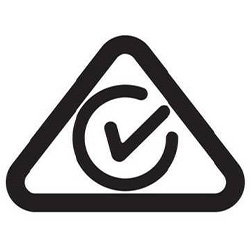
Australian RCM certification
Label printers entering the Brazilian market, ANATEL certification is an essential passport! It is the recognition of the Brazilian Telecommunications Authority for the safety and compliance of electronic products, without which products cannot be legally sold.
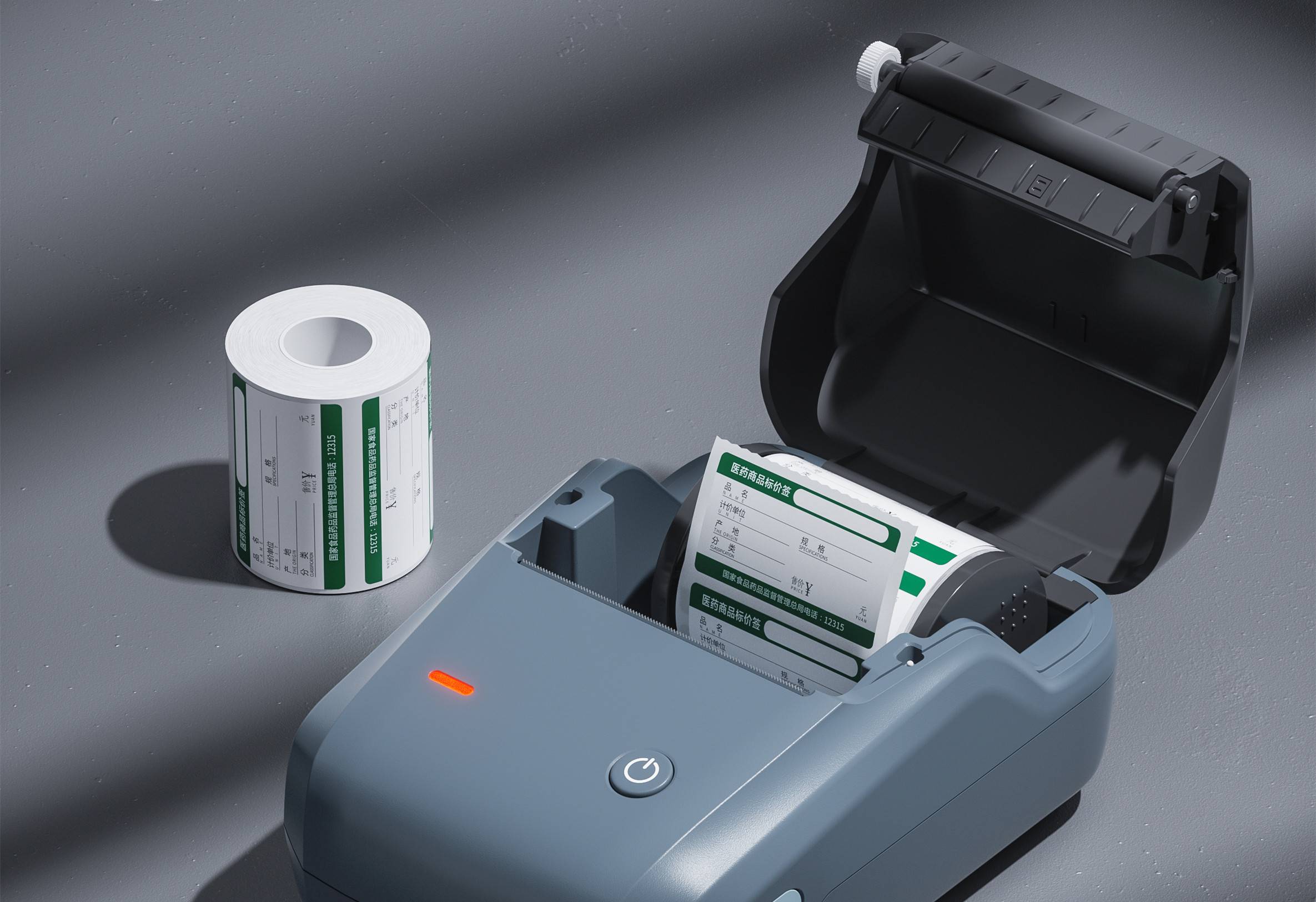
SRRC certification is not only a guarantee of product compliance, but also a key to opening up the market.
PoHS, the English name is Prohibition on Certain Hazardous Substances in Consumer Products, Chinese translation is \"prohibited certain hazardous substances in consumer products.\" On June 8, 2007, Norway notified the WTO that it proposed a \"prohibition of certain hazardous chemical substances in consumer products\", saying that it would restrict 18 substances in consumer products, namely PoHS regulations.
Get a quote

Tik Tok