With the rapid development of the new energy industry, polymer batteries are widely used in mobile phones, laptops, smart wearables, new energy vehicles and other fields by virtue of their advantages such as light and thin shape, high energy density and excellent safety performance. For enterprises planning to export polymer batteries to the South Korean market, KC certification is an insurmountable compliance threshold, and also a core prerequisite for products to smoothly enter the South Korean market and gain consumer recognition.
KC certification is a mandatory product safety certification system implemented by the Ministry of Knowledge Economy (MKE) of South Korea, covering all kinds of electronic and electrical products and battery products. Its core purpose is to protect the safety of South Korean consumers and standardize the market circulation order. As flammable and explosive energy storage products, polymer batteries are included in the mandatory scope of KC certification. Products that fail to pass the certification can not only not pass the South Korean customs clearance, but also be prohibited from being sold and circulated in the South Korean market, and enterprises may face the risks of high fines and damage to brand reputation.
Different from ordinary battery certification, KC certification for polymer batteries focuses more on the comprehensive verification of safety performance. The core audit points include the safety performance of batteries under extreme environments such as overcharge, over-discharge, short circuit, extrusion and nail penetration, and the verification of electromagnetic compatibility, capacity stability and environmental indicators of batteries to ensure that products comply with the South Korean Electrical Safety Management Act and relevant standards. The certification process requires enterprises to complete product pre-testing first, sort out technical documents, then entrust a South Korea-recognized certification body to submit applications and send samples, and obtain the KC certification certificate after passing all tests. The certificate is usually valid for 5 years.
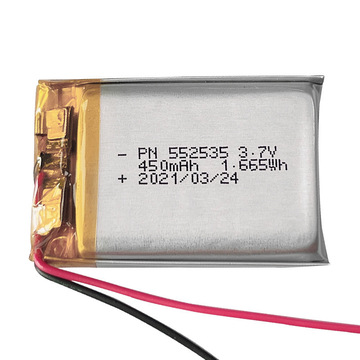
For enterprises, KC certification is not only a compliance requirement, but also an important starting point to enhance product competitiveness. Polymer batteries that have passed KC certification mean that their safety performance and quality level meet South Korea's stringent standards, which can quickly gain the trust of South Korean distributors and consumers and reduce market access difficulties. When preparing for certification, enterprises should connect with professional certification bodies in advance, optimize product design, select compliant parts, and avoid prolonged certification cycles and increased costs caused by unqualified tests.
At present, as an important global consumer electronics market, South Korea's demand for polymer batteries continues to rise. Only by attaching importance to KC certification and strictly abiding by relevant South Korean standards can enterprises smoothly explore the South Korean market, gain an advantage in the fierce international competition, and achieve steady development of overseas businesses.